
guides reference
GRAIN ROT Ancients Guide: What Players Need to Know
A source-labeled Ancient guide that makes the name, warning signs, and counter claims testable instead of presenting an invented official boss sheet.
Treat Ancient as a community-reported threat label until confirmed in the current client, preserve distance and the exit, and record behavior before testing a counter.
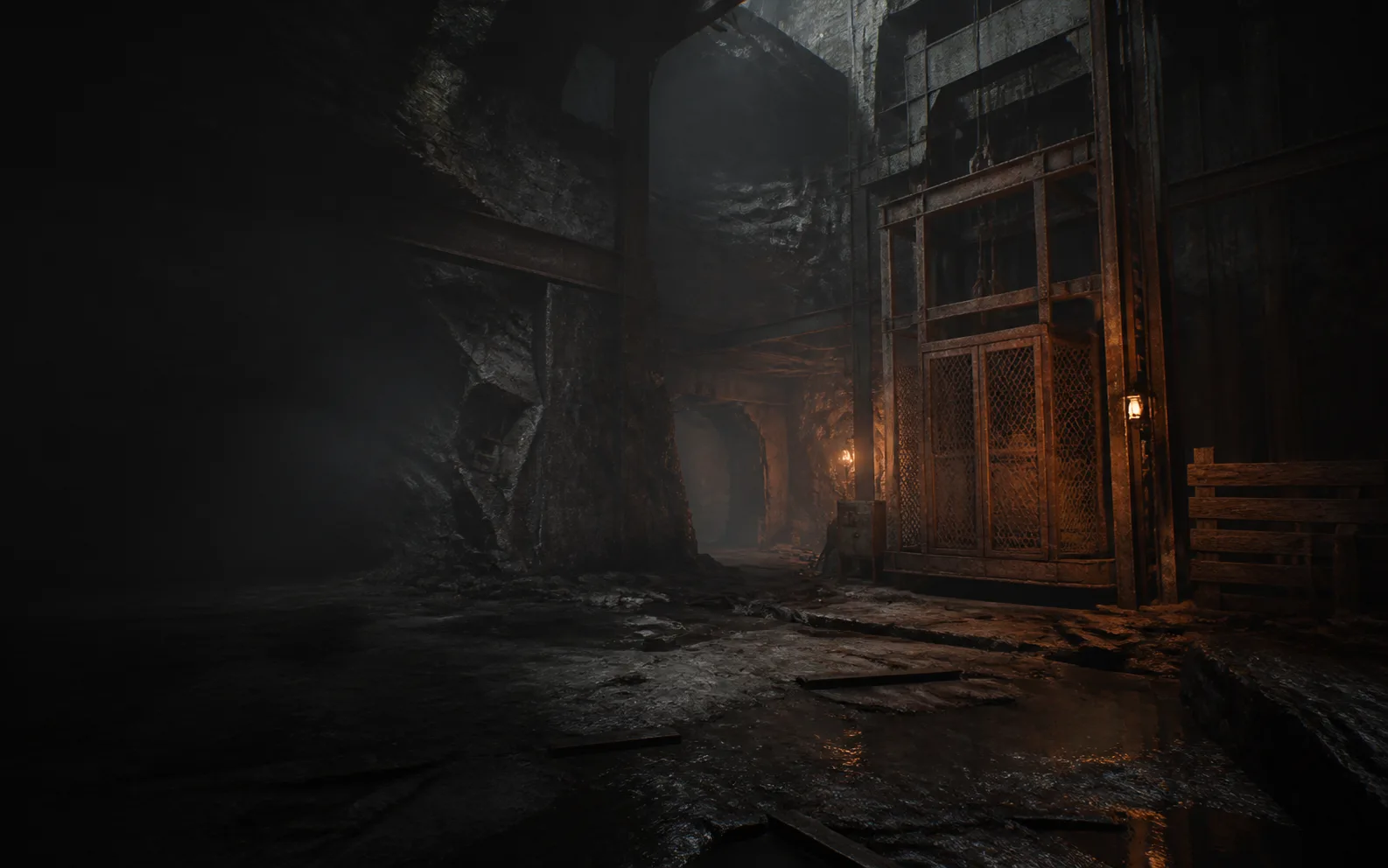
What GRAIN ROT Ancients Guide means in GRAIN ROT
Treat Ancient as a community-reported threat label until confirmed in the current client, preserve distance and the exit, and record behavior before testing a counter. This page is organized around the decision behind the search, not around a claim that every hidden rule is already known. The official Steam page describes GRAIN ROT as a first-person horror extraction game with solo and online co-op play, procedural Deep Layers, salvage, wooden vessels, a Living Spark, and a persistent Outpost. That official context gives the answer a stable starting point while leaving room for build-sensitive behavior to be checked in the client.
The official description confirms the Corrupted and underground danger but does not provide a public Ancient data sheet. The useful question is therefore not only what the term means. It is how the term changes the next safe move, what information is still missing, and which result would prove that the advice worked. The guidance below stays within the current public build and the evidence available on the review date.
What is confirmed and what is only a lead
The official Steam page describes GRAIN ROT as a first-person horror extraction game with solo and online co-op play, procedural Deep Layers, salvage, wooden vessels, a Living Spark, and a persistent Outpost. That statement is treated as confirmed because it comes from an official public source. It does not automatically confirm every item name, room rule, enemy behavior, control, cost, or strategy discussed by players. Those details receive a separate label so a useful community lead does not become a false official promise.
Ancient references appear in player-created material; exact identity, attacks, health, spawns, and counters remain community reports until verified. When two independent public sources agree, this site can describe the agreement as cross-checked, but the current game client still wins when a patch changes behavior. A single discussion, guide, video, or search snippet remains a community report. Use it as a testable lead and record what happens before turning it into a permanent rule.
A practical GRAIN ROT Ancients Guide routine
Use this sequence during the next relevant run. 1. Record the first warning sign and location context. 2. Observe from a route that remains reversible. 3. Test one counter only after the team agrees on the exit. The order matters because it separates observation from commitment. You first establish what the room, resource, threat, or Outpost state is doing, then make one change, and only then decide whether the result supports a deeper push.
Keep the test small enough that failure is understandable. If several variables change at once, a safe extraction, a broken vessel, or a different room layout may hide what actually mattered. A short note about the starting state, the action, and the result is enough. It gives the next run a clearer objective and makes future community comparisons more useful.
- Record the first warning sign and location context.
- Observe from a route that remains reversible.
- Test one counter only after the team agrees on the exit.
How to decide whether to continue or leave
When the threat identity is uncertain, information and extraction are more valuable than an unplanned damage test. Treat the return route, the condition of the current vessel, and the value already carried as part of the same decision. A mechanic can be interesting without being worth the added risk on this run. If the route becomes unreadable or the team no longer shares one plan, the safest useful result may be information brought back to the Outpost.
For solo play, say the objective before entering the next room. For co-op, have one player repeat the goal and the exit condition. This does not require perfect map knowledge or a complete tier list. It requires a shared reason for taking the next step. Once that reason is no longer true, reassess instead of continuing from momentum.
Mistakes and version-sensitive details
Do not call Ancient an official class without client proof. Do not publish exact stats from one player report. These limits are part of the answer, not an apology hidden at the bottom of the page. GRAIN ROT can change after updates, and public guides can preserve details from a demo, an earlier build, a different lobby state, or a run with conditions that were never recorded.
Do not convert an attractive screenshot, a confident comment, or repeated wording into a numerical fact. Exact costs, damage, spawn locations, drop rates, lobby limits, key prompts, and recovery timing need direct evidence. When the exact value is unavailable, use the observable decision instead: what to inspect, what risk to avoid, and which page explains the surrounding system.
- Do not call Ancient an official class without client proof.
- Do not publish exact stats from one player report.
How this connects to the wider run
Ancient reports connect enemy naming, deep routes, sound, combat, vessel damage, and the evidence system. GRAIN ROT links the Deep Layers, the Living Spark, wooden vessels, salvage, extraction, and the persistent Outpost. A page is most useful when it shows that connection. A resource matters because it changes a later choice. A room matters because it affects navigation. A threat matters because it changes the risk budget.
Use the related links as the next branch, not as a reading checklist. Open the page that matches the obstacle in front of you. After testing the advice, compare the outcome with the evidence label and review date. That loop keeps the wiki useful without pretending that one route, build, or community answer fits every player forever.